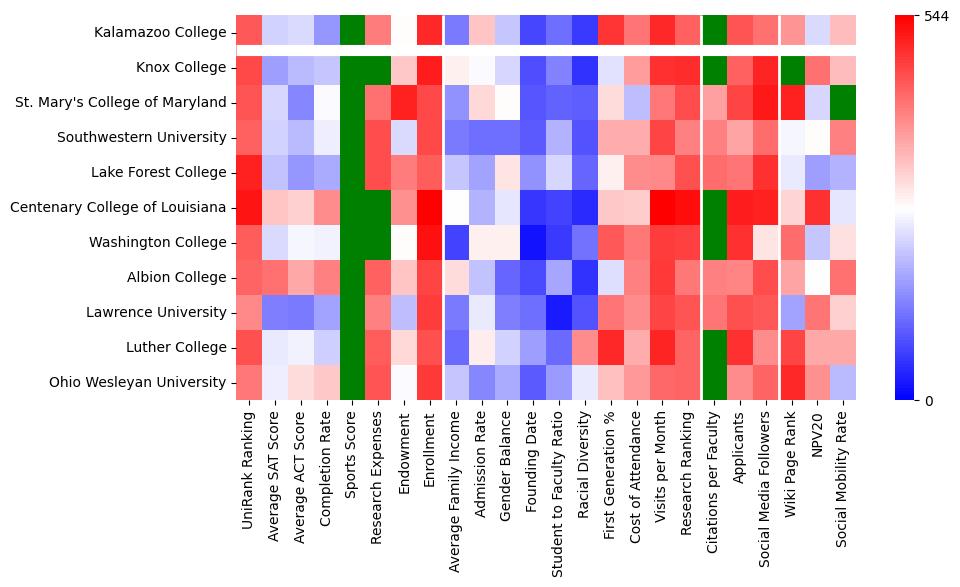
Founded in 1833, Kalamazoo College is one of the oldest higher education institutions in Michigan. Nestled in the vibrant city of Kalamazoo, the college has grown from a small Baptist college to a renowned liberal arts institution. Its historic 60-acre campus features a blend of Gothic and modern architecture, providing an inspiring backdrop for student life. Over the years, Kalamazoo College has maintained its commitment to offering a rigorous and transformative education, fostering a culture of inclusivity and critical thinking.
What sets Kalamazoo College apart is its unique K-Plan, an innovative approach to education that emphasizes experiential learning, international engagement, and independent scholarship. This distinctive curriculum model allows students to tailor their education through a combination of classroom learning, study abroad opportunities, internships, and a senior individualized project. With over 80% of students participating in study abroad programs, Kalamazoo College is a leader in global education, encouraging students to gain diverse perspectives and develop a global mindset.
Academically, Kalamazoo College is highly regarded for its strong emphasis on the liberal arts. The college offers more than 30 majors and several interdisciplinary programs, with particularly strong offerings in biology, chemistry, and psychology. The college's academic rigor is supported by a low student-to-faculty ratio of 13:1, ensuring personalized attention and mentorship opportunities. Additionally, Kalamazoo's Center for Career and Professional Development provides robust support for students seeking internships and job placements, helping them translate their academic experiences into successful careers.
Despite its many strengths, Kalamazoo College faces challenges typical of small liberal arts institutions. The school has a relatively high tuition cost, which can be a barrier for some prospective students, although financial aid and scholarships are available to offset expenses. Some students also express concerns about the limited diversity on campus, particularly in terms of racial and socioeconomic representation. However, the college continues to make efforts to increase inclusivity and accessibility, striving to create a more diverse and welcoming environment for all students.